John Oliver’s Last Week Tonight segment on “gas station drugs” used comedy to call attention to something many people have walked past without thinking twice: colorful bottles, pills, powders, gummies, and shots sold behind the counter at gas stations, convenience stores, and smoke shops.
The packaging may look casual. The product may be marketed as “natural,” “herbal,” or “dietary supplements.” Some promise energy, relaxation, mood support, pain relief, or focus. But as the segment made clear, some of these products can carry serious risks, including dependence, withdrawal, unpredictable potency, and addiction.
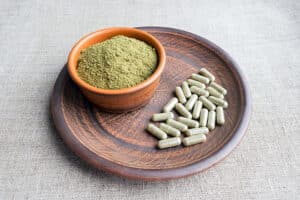
One of the most concerning substances discussed was 7-OH, also known as 7-hydroxymitragynine, a compound associated with kratom that is now being sold in concentrated forms. For some people, 7-OH may begin as an attempt to manage pain, anxiety, fatigue, stress, or even opioid withdrawal. But over time, use can become harder to control.
At Brightside Recovery, we help people take the next step with evidence-based support for substance use concerns, including 7-OH addiction. Because while a late-night segment can bring attention to the issue, recovery requires more than attention. It requires help that meets people where they are.
What Are “Gas Station Drugs”?
“Gas station drugs” is an informal term for substances commonly sold in places like gas stations, convenience stores, smoke/vape shops, and online marketplaces. They are often packaged like everyday consumer products and may be placed near energy shots, supplements, tobacco products, or other behind-the-counter items.
These products can contain a wide range of substances, including certain sexual enhancement pills, kratom-related products, tianeptine products, and concentrated compounds like 7-OH. They may be marketed for energy, focus, mood, pain relief, relaxation, or performance. That presentation can make them seem safer than they really are.
The problem is that many people assume a product must be low risk if it is legal, easy to buy, and available in a familiar retail setting. But availability is not the same as safety. A product can be sold over the counter and still be powerful, addictive, mislabeled, or difficult to stop using.
Many people who use these substances are not trying to be reckless. Some are looking for relief from chronic pain, and some are trying to manage anxiety, fatigue, or stress. This changes how we should talk about the issue; fear-based messaging and shame aren’t the right way to go. People need education, harm reduction, and treatment options.
Why 7-OH Was One of the Most Concerning Substances on Last Week Tonight
One of the most concerning substances discussed in the Last Week Tonight segment was 7-OH, also known as 7-hydroxymitragynine. While 7-OH is associated with kratom, it is not the same as the traditional kratom leaf. The concern comes from concentrated 7-OH products that may be sold as tablets, gummies, shots, capsules, or powders.
The segment explained that some manufacturers concentrate compounds from kratom or synthesize 7-OH into stronger products. That difference matters because a product can look like a casual smoke shop or gas station purchase while producing effects that are much more powerful than expected. As the segment put it, comparing traditional kratom to 7-OH can be like comparing a light beer to a liquor.
For some people, 7-OH may start as a way to manage pain, anxiety, stress, fatigue, or withdrawal. But with regular use, tolerance and dependence can develop. Someone may begin needing more to feel the same effect, and not using it can lead to sickness, restlessness, or the inability to function. That is why 7-OH deserves serious attention; the issue is not whether someone bought it legally or from a familiar store, but whether the product has become hard to control, hard to stop, or harmful to daily life.
Why Availability Does Not Equal Safety
One of the biggest takeaways from the segment is that easy access can create a false sense of safety. When a product is sold at a gas station, smoke shop, convenience store, or online, people may assume it has been carefully tested, accurately labeled, or approved for safe use. That is not always the case.
Many “gas station drugs” exist in a confusing regulatory gray area. Some are labeled as dietary supplements, while others use vague language. The segment emphasized that these products may reach shelves before regulators can fully understand what they contain, how strong they are, or how people are actually using them.
That can create real risks for those using 7-OH, including:
- Unclear or inconsistent dosing
- Products that are stronger than expected
- Labels that do not fully explain the risks
- Packaging that makes the product seem casual or low risk
- Easy access that can make daily use harder to interrupt
What Families Need to Know About 7-OH
If someone you love is using 7-OH, it is important to understand that they may not have realized how risky the product was when they started. As the Last Week Tonight segment emphasized, many gas station drugs are sold in familiar places and marketed in ways that make them seem causal, legal, or low risk.
Families may notice warning signs before the person is ready to talk about them. These can include frequent trips to gas stations or smoke shops, unexplained spending, mood changes, and secrecy. These signs should be taken seriously, but they should not be met with panic or blame.
The most helpful response is often calm, direct, and supportive. You might say: “I’m worried because I’ve noticed this seems hard to stop. I’m not here to judge you, but I do want to help you find support.” Trying to force someone to quit suddenly can backfire if they are dependent and experiencing withdrawal. A better first step is encouraging them to speak with a treatment provider.
Signs You or Someone You Love May Need Help for 7-OH Addiction
Because 7-OH products are often sold in familiar places like gas stations, it can be easy to underestimate how serious regular use can become. But if using 7-OH has started to feel necessary, difficult to control, or hard to stop, it may be time to reach out for help.
Brightside Recovery offers compassionate support for people struggling with 7-OH use. If you recognize these signs in yourself or someone you love, help is available, and you do not have to wait until things get worse to ask for it.
Behavioral Signs
You may need support if you notice patterns like:
- Using 7-OH more often than planned
- Taking higher doses to get the same effect
- Feeling anxious when running low
- Making frequent trips to gas stations, smoke shops, or online sellers
- Spending more money on 7-OH than intended
- Hiding usage from family, friends, and coworkers
- Trying to cut back or stop, but returning to use
- Using 7-OH to get through work, sleep, stress, pain, or withdrawal
These signs do not mean you have failed. They may mean your body has adapted to the substance and stopping on your own has become harder than expected.
Physical and Emotional Signs
7-OH dependence can also show up in how you feel when you try to cut back or go without it. Some people experience symptoms such as cravings, restlessness, anxiety, irritability, sleep problems, body aches, stomach discomfort, or flu-like symptoms.
You may also notice that you feel “off” without 7-OH, or that you are using it just to feel normal rather than to feel better. That shift is important. When a product becomes something you rely on to avoid feeling sick, anxious, or unable to function, it may be time to talk with a treatment provider.
How Brightside Recovery Helps People Struggling with 7-OH Addiction
Once 7-OH has become part of your daily routine, quitting may not be as simple as deciding to stop. Many people use 7-OH to manage pain, stress, or anxiety, and over time, the body can begin to depend on it. Brightside Recovery’s 7-OH addiction treatment program creates customized treatment plans for people struggling with 7-OH use.
Treatment begins with understanding what you are using, how often you are using it, and what happens when you try to cut back. A personalized plan may consider withdrawal symptoms, cravings, prior opioid use, mental health concerns, pain, family responsibilities, and other factors that can affect recovery.
Brightside’s approach combines compassionate care with evidence-based addiction treatment. Our programs pair medication-assisted treatment (MAT) with counseling and therapy techniques, helping patients build a more sustainable recovery plan. We also offer telehealth addiction treatment options, making it easier for people to start care without having to plan a clinic trip.
Frequently Asked Questions About Gas Station Drugs and 7-OH
Is 7-OH the same as kratom?
Not exactly. 7-OH is related to kratom, but concentrated 7-OH products are not the same as traditional kratom leaf. 7-OH is a concentrated form that is extracted from kratom or manufactured, often making it more potent and more dangerous than people realize.
Why are 7-OH products sold in gas stations?
Many gas station drugs are sold as supplements, botanicals, or novelty products. Some companies use labeling or marketing strategies that allow products to reach shelves before consumers and regulatory bodies fully understand what is inside, how strong they are, or what risks they carry.
What does 7-OH withdrawal feel like?
Withdrawal can vary from person to person, but some people report symptoms like anxiety, restlessness, irritability, trouble sleeping, body aches, flu-like symptoms, and strong cravings. If you are experiencing withdrawal symptoms, schedule a telehealth intake appointment with Brightside.
Is it safe to quit 7-OH cold turkey?
For some people, suddenly stopping 7-OH can be physically and emotionally difficult. The Last Week Tonight segment made an important point: if access to these products changes, people who are dependent still need support and a harm reduction plan. Treatment at Brightside Recovery helps people create a safer, more realistic path forward.
Access Compassionate Treatment for 7-OH Dependence at Brightside Recovery
John Oliver’s segment brought national attention to a problem many people have seen but may not have fully understood: powerful substances can be sold in familiar places, packaged like everyday products, and marketed in ways that make them seem safer than they are.
For 7-OH, that false sense of safety can be dangerous. Daily use can become dependence, and once withdrawal or fear of stopping enters the picture, simply saying “just quit” is not enough. That is why the conversation around 7-OH must include treatment. People who are struggling with 7-OH addiction do not need shame; they need accurate information, compassionate care, and a plan that helps them move forward safely.
If you or someone you love is using 7-OH and finding it hard to stop, Brightside Recovery can help. Support is available, and recovery does not have to start with judgement. To build a treatment plan that meets your unique needs, contact the compassionate care team at Brightside Recovery.