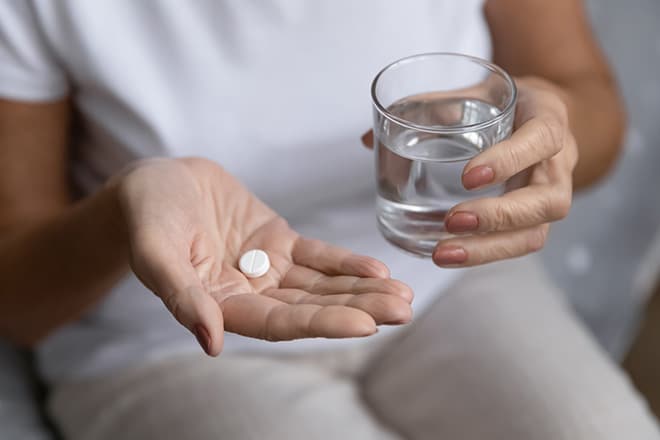

7-OH, or 7-hydroxymitragynine, is a semi-synthetic, concentrated byproduct of kratom that is chemically modified to deliver far higher doses than found in traditional, natural products. This derivative alkaloid is increasingly found in “herbal” shots, gummies, vapes, drinks, and capsules, and because of a lack of testing and standardization, can vary significantly in strength, purity, and safety.
Kratom is an herbal substance that comes from a tree found in Southeast Asia and is a legal drug that some people use to treat opioid withdrawal, pain, or stress. However, kratom is not approved by the FDA, and between 2014 and 2019, more than 3,400 calls were made to poison centers relating to kratom ingestion. Listed as a “drug of concern” by the DEA, kratom or 7OH is an addictive substance like opioids. In a July 2025 press conference, federal health officials (FDA & HHS) recommended scheduling any product with “concentrated synthetic” 7-OH in it as a controlled substance, but stated the recommendation is not aimed at natural kratom leaf or powder.
The FDA has warned that 7-OH can cause harm and significant side effects like nausea, liver damage, high blood pressure, and weight loss. Studies have also found that people who take kratom for more than six months lead to the same withdrawal symptoms as opioids, and federal regulators have recommended that 7-OH be scheduled under the Controlled Substances Act. Because of these concerns, it is essential to identify and treat 7-OH addiction the same way you would treat opioid addiction.
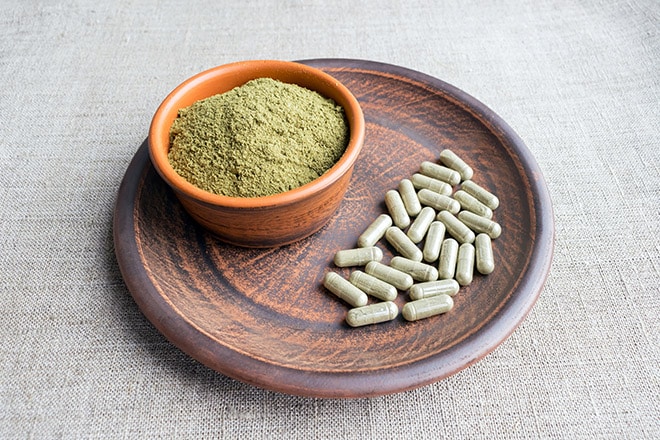
Even though 7-OH is derived from an herbal substance, the real danger comes from today’s concentrated or chemically modified products that deliver far higher doses than would be encountered in traditional use. These retail items may be marked as “natural,” but they can produce strong, opioid-like effects and come with all the same risks.
7-OH binds strongly to mu-opioid receptors and can be more potent than morphine. That potency is why users report effects similar to prescription opioids and why medical teams now see respiratory depression, dependence, significant withdrawal symptoms, and ICU-level emergencies when mixed with other opioids or alcohol.
Medications effectively reduce cravings and withdrawal symptoms associated with 7-OH dependence. This helps patients manage their addiction more comfortably and maintain their daily activities without discomfort.
Because MAT helps reduce cravings, it lowers the potential for 7-OH and opioid use. The tailored medication schedule ensures a consistent therapeutic level of medication, reducing the risk of relapse.
Brightside Recovery offers multiple MAT options, including buprenorphine and naltrexone medications, to ensure each patient has access to medication that meets their specific needs.
By eliminating the need for daily dosing, reducing cravings, and mitigating withdrawal symptoms, patients can focus on other aspects of their treatment plan, like counseling.

Ready to take the first step toward recovery? Brightside uses telehealth to ensure everyone can access life-saving addiction treatment no matter where they are. Schedule your virtual visit today!



We use cookies to improve your experience on our site. By using our site, you consent to cookies.
Websites store cookies to enhance functionality and personalise your experience. You can manage your preferences, but blocking some cookies may impact site performance and services.
Essential cookies enable basic functions and are necessary for the proper function of the website.